

The climate crisis and biodiversity loss are deeply interconnected, and their effects, such as the worsening of droughts and floods, affect the entire population. The ways of life of indigenous peoples and traditional communities contribute to the conservation of ecosystems fundamental to climate regulation. Protecting their territories and strengthening these ways of life is, therefore, part of the response to these crises.
This contribution is also expressed in activities such as sustainable extraction and the management of native species. In the Convention on Biological Diversity (CBD), these activities are related to sustainable use, one of its three objectives, alongside conservation and the fair and equitable sharing of benefits arising from the utilization of genetic resources. The topic gained prominence in the negotiations of the 17th Conference of the Parties (COP17), held from October 19 to 30 in Yerevan, Armenia.
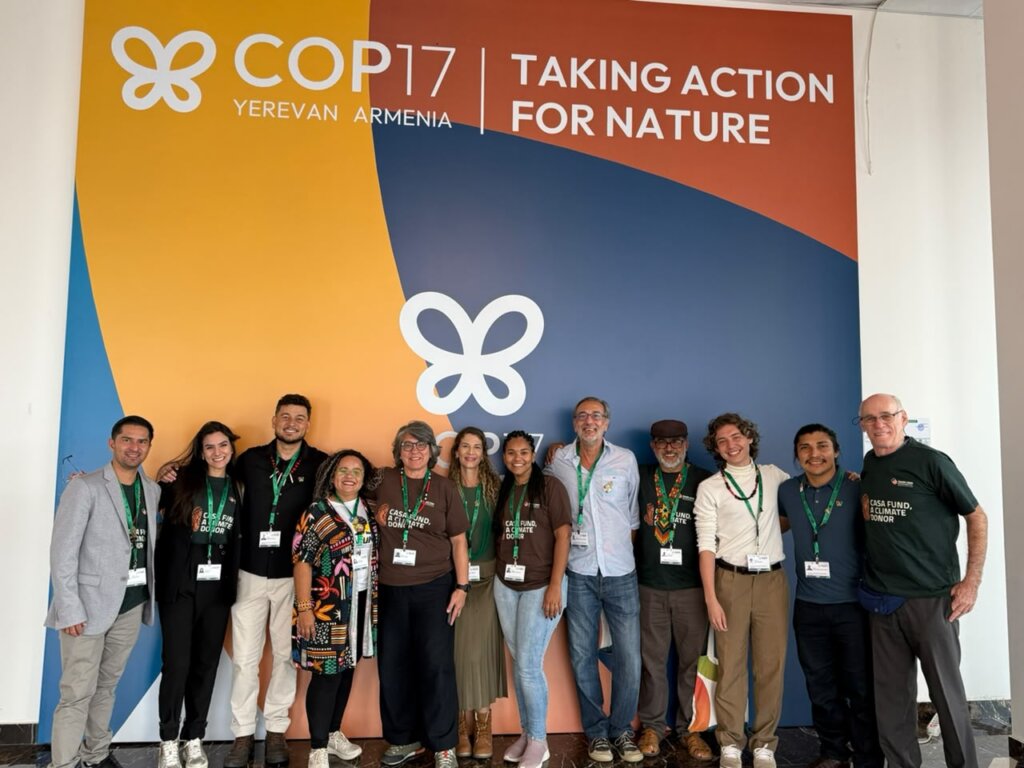
The delegation organized by the Institute for Society, Population and Nature (ISPN), comprised of indigenous representatives, members of traditional communities, and representatives from the organization itself, enthusiastically followed this opening on the international agenda.
Despite its importance, the sustainable use of biodiversity still lacks its own implementation strategy within the CBD. Brazil has proposed initiating consultations on a possible work program—an instrument that transforms the Convention's objectives into guidelines and actions to guide countries.
Initially presented as part of the sustainable wildlife management agenda, the proposal was moved to the future work agenda of the Global Biodiversity Framework, considered more appropriate. This change broadened the debate but shifted its focus to identifying gaps and strengthening existing instruments, leaving the creation of a work program as a future possibility. The inclusion of "bioeconomy," with the qualifications circular and sustainable, is also...
disputed. The chosen terms influence the scope of the activities contemplated and the criteria applied to them, with direct consequences for traditional peoples and communities.
Among the proposed actions are the creation of a report on experiences with activities, products, and services based on biodiversity that contribute to conservation, especially in local economies and in indigenous and rural communities, and workshops for experts to deepen concepts and guide future work.
In Brazil, the economic relevance of these activities is already significant. A study conducted in 2026 to support the National Bioeconomy Development Plan indicates that the production of pequi and babaçu in the Cerrado generated R$69,5 million and R$68,8 million, respectively, in 2023. These figures represent only part of the importance of these supply chains, which also contribute to food security and conservation. The survey proposed at COP17 can give greater visibility to these experiences, provided that indigenous peoples and traditional communities participate in its development, from defining the criteria to analyzing the results.
It is also essential to secure resources. The proposed activities depend on funding, at a time when its mobilization remains one of the biggest obstacles at COP17. Developed countries need to increase their contributions, as foreseen in the Global Framework, and the resources need to reach territorial organizations directly, through mechanisms appropriate to their realities.
The ground gained through the sustainable use of biodiversity deserves to be celebrated. However, for this progress to translate into concrete results, continued discussions, funding, the effective participation of indigenous peoples and traditional communities in decision-making, and the commitment of the Countries Parties to implementation are fundamental.
Conservation is also production. Recognizing and strengthening productive practices that contribute to the conservation of ecosystems is a fundamental part of the response to the crises that the conference seeks to address.
*Article originally published in the Correio Braziliense newspaper.